

Temple Tumble 2 — A Bold Sequel with Expanding Reels and Higher Volatility
Temple Tumble 2, released by Relax Gaming, builds directly on the mechanics that made the original title popular among fans of high-volatility slots. Launched as a sequel to Temple Tumble Megaways, this 6×6 grid slot keeps the cascading reel structure while introducing upgraded modifiers, expanding wild mechanics and a more aggressive risk profile. In 2026, it remains one of the most technically interesting cluster-pay releases in the provider’s portfolio, combining progressive reel expansion with multiplier-driven bonus rounds.
Core Mechanics and Gameplay Structure
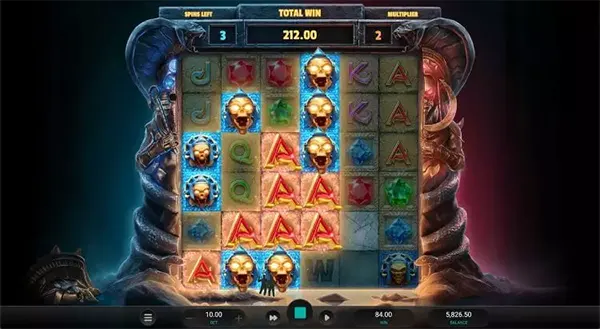
Temple Tumble 2 operates on a 6×6 grid using a cluster pays system rather than fixed paylines. Wins are formed by landing five or more matching symbols connected horizontally or vertically. After each winning cluster, the symbols disappear and new ones fall into place, creating potential chain reactions within a single spin. This cascading mechanic is central to the volatility profile and gives the game its dynamic rhythm.
One of the defining features is the expanding reels mechanic. At the start of each base game spin, the grid may increase in size, expanding up to 8×8. Each expansion significantly raises the potential for larger clusters and more substantial payouts. The expansion occurs randomly during the base game and remains active throughout the current spin sequence, including all cascades triggered by that spin.
The slot features a high volatility rating and a theoretical RTP typically set around 96.20%, although this may vary depending on the operator’s configuration. This positioning clearly targets players who are comfortable with longer dry spells in exchange for the possibility of large win spikes during bonus rounds or expanded grid sequences.
Symbols, Multipliers and Risk Dynamics
The symbol set includes low-value card ranks and several themed high-value icons inspired by ancient temple aesthetics. In addition to regular symbols, the game introduces Wilds that substitute for all standard paying symbols. During base gameplay, Wild multipliers can appear with values that increase total winnings for a given cascade.
A key risk component lies in the multiplier ladder that builds during consecutive wins within the same spin. Each successful cascade increases the active multiplier, allowing a modest initial win to grow into a significantly larger payout if the sequence continues. However, if no further winning clusters form, the multiplier resets for the next spin, reinforcing the high-risk, high-reward structure.
Because of this design, bankroll management becomes critical. Temple Tumble 2 is not structured for steady, low-variance play. Instead, it rewards patience and controlled stake sizing, particularly when pursuing bonus feature triggers where the volatility intensifies.
Bonus Features and Free Spins Mode
The Free Spins feature is triggered by landing three or more scatter symbols on the grid. The initial bonus round typically starts with a predefined number of spins and activates enhanced mechanics compared to the base game. Most notably, reel expansion becomes more frequent and persistent, creating more opportunities for extended cascades.
During free spins, multipliers accumulate in a more aggressive manner. Instead of resetting after each spin, certain bonus configurations allow multipliers to carry over, substantially increasing total win potential. This structural difference is one of the major upgrades from the original Temple Tumble release.
The maximum win potential in Temple Tumble 2 reaches up to 10,000x the stake, aligning it with other high-volatility releases from Relax Gaming. While such outcomes are statistically rare, the design of the bonus mode clearly centres around delivering infrequent but significant payouts.
Comparison with the Original Temple Tumble
Compared with the first Temple Tumble Megaways, the sequel removes the Megaways format and adopts a fixed grid cluster system. This change provides more controlled reel expansion mechanics and allows for deeper multiplier integration. The result is a cleaner structure focused on cascades and grid growth rather than fluctuating reel heights.
The sequel also increases the intensity of the bonus mode. Multipliers in Temple Tumble 2 escalate faster, and the potential for full-grid expansions during free spins is noticeably higher. This creates more pronounced win swings compared to the original title.
From a technical standpoint, the sequel benefits from smoother animations and refined visual transitions. While the theme remains consistent with ancient ruins and treasure hunting motifs, the gameplay pace feels sharper and more responsive in the 2026 version.
Volatility Profile and Player Suitability in 2026
Temple Tumble 2 is categorised as a high-volatility slot, which directly influences session length and bankroll fluctuation. In practical terms, players may experience extended sequences without significant wins before hitting a profitable bonus round. This makes it better suited to those who understand variance and approach sessions with structured staking plans.
The slot is widely available across licensed UK and European operators as of 2026, with mobile optimisation fully integrated. The interface adapts well to smaller screens without sacrificing visibility of cluster formations or multiplier values, which is essential given the complexity of the expanding grid mechanic.
Responsible gambling tools such as loss limits, session reminders and stake controls depend on the operator rather than the game itself. Given the volatility level, setting deposit and loss boundaries before activating the bonus hunt strategy is advisable.
Strategic Considerations for High-Variance Play
There is no system that can alter the random number generator outcomes, but session planning can affect risk exposure. Lower stakes combined with longer playtime may increase the probability of reaching bonus features without exhausting the bankroll prematurely.
Some experienced players prefer to allocate a fixed portion of funds exclusively for bonus triggers, as the majority of the slot’s theoretical value is concentrated within free spins. However, chasing features aggressively without limits can quickly escalate losses due to volatility.
In 2026, Temple Tumble 2 remains a strong example of modern cluster-based slot design. Its combination of expanding reels, multiplier stacking and aggressive bonus structure positions it as a game aimed at players who prioritise high upside potential over steady incremental returns.
Most popular
-
 Lantern Luck by Habanero – A Simple Slot With a Festive Chinese Twist
Lantern Luck, a video slot developed by Habanero, takes players on a vibrant journey through a celebration …
-
 Mobile Roulette: Technical and UX Differences
Roulette has confidently transitioned from casino floors to smartphone screens. As mobile usage dominates internet traffic globally, …
-
 Sugar Skulls Slot Review: Gameplay, Features and Where to Play
Sugar Skulls is a visually striking online slot game that captivates players with its Day of the …